
Local Band Logistics – Selling Tickets
In the world of DIY bands there’s a hot debate over who is responsible for promoting local shows. Some put it all in the band’s lap while others think it’s the venue’s job to pack the house. Even more say that’s literally what a promoter and booker are for. In my world, it’s not so cut and dry.
In a tiktok video from Ethan Massey at The Rail in the DFW area, Ethan explains this about having local bands sell tickets to open for national acts.
“Everybody wants to open for the national band until I actually tell them what I need from them.
We host a ton of national touring groups and stuff like that. Whenever I ask specifically for Dallas-Fort Worth locals, I’m asking for locals for a reason. I’m specifically looking for bands that can help me bring people into the room for the show.
Sometimes, whenever I give these bands presale tickets and stuff like that to help bring people in, I’m told, “We don’t do that. We don’t do that pay-to-play stuff.”
Selling presale tickets is not pay-to-play. I know what pay-to-play is. I promise you, it’s not. There are no minimums. You only pay for the tickets that you sell. You do not have to pay for the tickets that you don’t sell.
I’m literally just asking you to help sell tickets for a show that you wanted to be on. Everybody wants the opportunity, but are you ready for what comes with it?”
@ethan_massey Everybody wants the national support slot. But if there’s no minimum and no obligation to cover unsold tickets, is asking the local support to help sell tickets unreasonable? Bands AND promoters, I wanna know your thoughts as well 🤙 #bandadvice #promoter #musicindustry ♬ original sound – ethanmassey
In the comments there was a lot of pushback and as a long-time manager of a moderately successful regional act, I want to give my two cents on those objections, which is probably the most money any of those naysayers have earned in the name of music, so buckle up baby!
First: Who is responsible for promotion?
There’s not a simple answer for that, and each player has their part. That said, the only one you should trust and rely on to promote your band is your band. Everything is an opportunity and everyone else’s efforts are a bonus.
Selling tickets is promotion. Being forced to buy tickets is pay-to-play. Those are not the same arrangement, and we’ll break that down in a minute.
The Band
As a band, especially in the metal and rock scene that serves venues like The Rail, it is YOUR job to earn and serve your fans. It is YOUR JOB to build a following and get them off the couch and to YOUR shows. It is also YOUR job to take your band from a side hobby to a full-time self-sustaining and :gasp: profitable enterprise so that you can do this for the rest of your days. If that’s not your goal, then you might as well stop reading now.
If you’re playing locally or regionally, you can balance your bookings so that you don’t oversaturate your own market, cannibalizing your draw for each show. That way, when you get a national opener opportunity your fans will be ready to throw down with you. That doesn’t happen if they know they can see you every Friday on the patio at Joe’s Crab Shack. Every show should be an EVENT, not just another gig, and if the band is doing things right, then the tickets sell themselves.
The Venue
As a venue, it is their job to make sure YOUR FANS have everything it takes to enjoy the show. Clean facilities. Great sound and lighting. Friendly staff. Quality drinks at fair prices. Adequate security. A solid show schedule whether they use an in-house booker or work with a local promoter. And yes, that means pulling in national acts who have their own fan base. A smart touring act is going to focus on building shows in areas where they already have a strong following, but occasionally online followers don’t equal a packed physical venue.
Venues that cater to local openers are usually great at curating a local scene. They take care of their regulars and become known for serving certain genres above all others, making themselves a mecca for bands trying to break into that scene, and touring acts looking for a built-in fanbase to play for. And if the venue is doing things right, then the tickets sell themselves.
The Booker or Promoter
As a promoter, it is their job to take advantage of all avenues of promotion in order to build a profitable show. It’s called the music business, not the music charity. It’s their job to put together a cohesive billing, along with the venue booker if they’re a separate entity, that makes sense when you put all the fans of the different bands in the same room.
The promoter should provide the bands and their street teams, if any, with the right kind of promotional materials for the event whether that is high-res digital flyers, advance sale tickets, promo videos from the national act for social media, and even contacts for booking local and regional radio and news spots if they have them so you can go out and promote the show. The promoter often even works with local food and alcohol distributors to get on-site marketing activations that bring out drink specials, brand reps (hello Jager girls) and additional funds to sponsor the show promotion. And if they’re doing things right, then those tickets sell themselves.
But have you ever heard of a promoter having a fan club? No.
Have you ever heard of a venue having a fan club? Also no, with the exception of a few very rare institutions like Billy Bob’s Texas or Cain’s Ballroom.
Bands build fans around themselves. Venues and promoters can build loyal audiences too, but those people are usually loyal to the room, the scene, or the kind of shows being booked. They are not automatically your fans. Converting them is still your job.
It’s on the bands to curate and care for your fans, and to foster demand to see you play live. It’s also on the bands to absolutely get competitive once you hit the stage because EVERY person in that venue has the potential to be your biggest superfan after the set is over. That’s what opening for a national act is for. You are there to steal their fans right out from under them, and if you can’t do that, then you are either a bad match for that act or not ready for that opportunity.
Next: Selling tickets
Now let’s get into the idea of having to sell advance tickets as an opening act. There are so many factors that can go wrong when putting on a show that it literally pays to see things from all angles. Nothing is as simple as just blocking a date and showing up with your gear.
The Fan Psychology – The demands on fan attention are a thousand-fold these days so it’s nearly impossible to get someone to commit to attending a live show in person unless they are that rare breed that spends every weekend in a venue. Relying on door covers is an easy way to let your fans blow off the show at the last minute. Online sales reduce the sense of urgency so they wait till the last minute to either commit or quit.
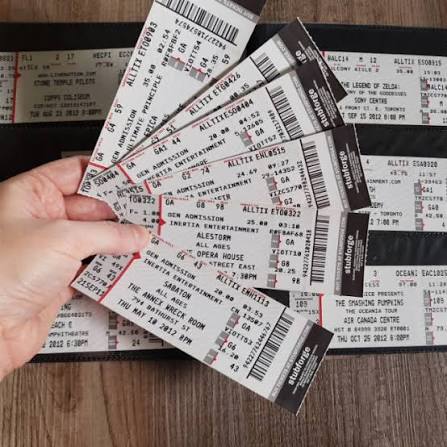
But putting a physical ticket in a fan’s hand? That’s an immediate buy-in. A tangible reminder that they’ve already invested in this event and want to get their money’s worth. It starts the anticipation drip pumping in their veins leading up to the event as more buzz builds around the show and they know they’re already part of the party.
In addition, if the national act is likely to sell out, your physical ticket allotment guarantees that your local fans have a chance at getting in even if the venue’s core ticket inventory sells out.
The Venue’s staffing and inventory – Now let’s talk about that inventory. Every venue has a capacity limit, and that limit has to account for the bands, their support staff, the venue staff and security, sponsor reserves, and promotional reps. That means there is a finite number of available heads they can allow through the door before the fire marshal shuts them down. The goal is to reach that number without going over, and to make sure all the fans are properly cared for and managed once they get in.
Everything from the liquor behind the bar to the number of toilet paper rolls they have to order plays into that preparation. This is a lot easier to do when early ticket sale numbers start coming in and they can gauge staffing and security needs well in advance. Not something you can do easily when you’re only doing a door cover charge.
The Promoter’s Resources – This is where advance sales figures really pay off. Some shows sell themselves as soon as they are announced, making the promoter’s job easy as pie. Others are slow to get off the ground so the promoter has to determine which resources they allocate to get those tickets moving. Do they call in a favor to get a radio interview? Do they press the national act for social media highlights and call-outs? Do they run giveaway contests or add a last-minute perk to attendees?
If you’re on the bill, you benefit either way. Every bit of work they do shines more light on you as part of the event. You can brag about being on a sold out show, even if nobody knows who you are, especially if the booker took a chance on you without proven sales history.
The Band’s Payout
Chances are if everyone is doing their job right, then the show will sell out. How you get paid is completely up to each venue and promoter, and those terms should be upfront and clear before you commit to the gig. In the case of The Rail, there is no minimum ticket sale requirement for the local openers. What you sell determines what you get paid, and you report your sales to the venue and promoter so they can prepare and plan accordingly. In my opinion, this is the best way to handle ticketed shows because it incentivizes the local act to push those early sales before the national act packs the house so the locals can get your cut. Then you prepare your merch to increase your take and it’s a successful event all around.
National acts get a guarantee because they already have a proven demand. The national act is the box of Girl Scout Cookies everybody already recognizes. You’re the local troop trying to make sure some of those sales happen through you. Move what you can, earn your cut, and return the inventory you couldn’t sell. Go get your merit badge, baby.
Now if the ticket sales have a minimum, or the band is required to buy a block of tickets upfront or be financially responsible for unsold tickets, then that falls into the pay-to-play territory, and I am NOT about that. Those are games record labels play, forcing an upstart artist on their roster to pay for placement on a national tour to help finance the larger act. That kind of buy-in rarely makes sense for the newer artist unless they are trying to bypass the fan-building stage and purchase access to a large audience in the hopes of shortcutting their way to success. If you’re still in the “I won’t sell tickets” mentality, then you’re certainly not at the level where shenanigans like that would work for you anyway.
I’ve said it before and I’ll say it till I’m blue in the face. Your band is not special unless YOU MAKE IT special. If a venue conservatively has 3 shows per week with 3 bands on each bill, then they are actively pushing 450+ acts per year, assuming none are repeats and they take a weekend off here and there for a holiday. Are you expecting that venue to promote your band better than you can? Instead of you? If there’s a promoter involved, chances are they’re building out shows for multiple venues so your push just got diluted again.
There are cases where either the venue or the promoter fails to live up to their responsibilities, and it’s up to each party in that ecosystem to use discretion when working together. If the venue or promoter has a reputation for falling short, then don’t work with them. If You’ve done everything you can in good faith to build out and promote a great show, then the venues and promoters that DO hold up their end of the deal will find you and make an effort to work with you.
But if you can’t or just won’t sell a ticket, then just say so. I’m sure someone else knows how to take advantage of an opportunity when they see one.
I highly recommend DIY bands look up Ethan on socials. He dishes a lot of great advice from the venue and promoter perspective, and while you might not always agree, you will definitely learn some things that will be useful in your own career.
