Backstage: What It Really Takes to Put a Tour on the Road – Inside Rock Nashville
There was a time when most fans and new artists pictured tour preparation as a band rehearsing in a warehouse while somebody from the record label handled the mysterious grown-up stuff behind closed doors. That version of the music business is long gone.
Artists have more control over their careers than ever before. That freedom is exciting, but it also means somebody has to figure out how the microphones, lights, instruments, trucks, security, catering, medical care and several tons of stage equipment will make it from Nashville to Albuquerque without catching fire. Preferably in the right order.
That is where Rock Nashville comes in.
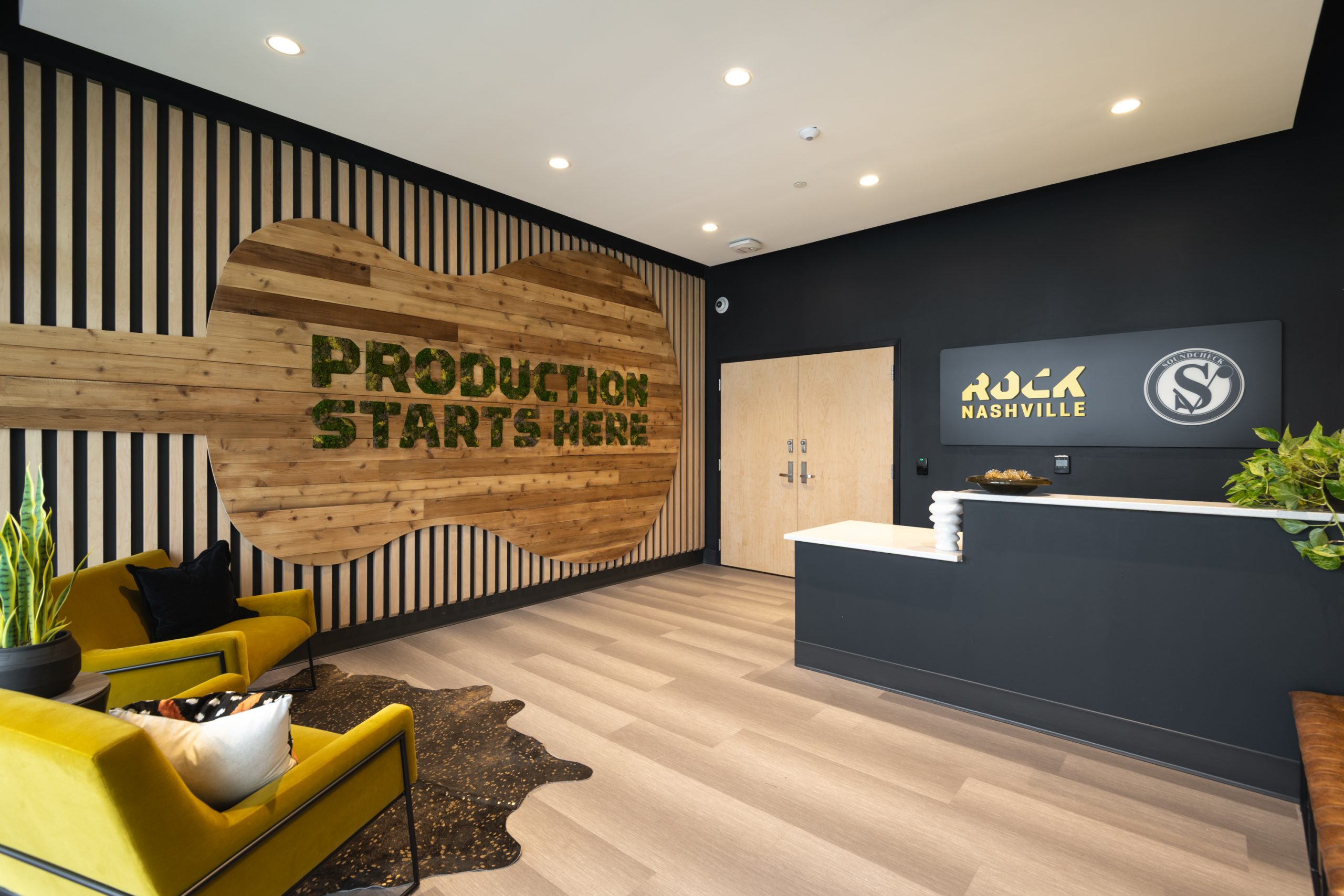
The massive live production campus has brought more than 30 touring and artist-service companies together in one Nashville location. It gives artists and their crews a place to plan, build, rehearse and troubleshoot a live show before anybody starts loading buses.
Rock Nashville Is Not a Recording Studio
Let’s clear up one important distinction first. Rock Nashville is not a recording studio, concert venue or tourist attraction. It is a private working campus built specifically for live entertainment professionals.
The 55-acre property sits less than 10 miles from downtown Nashville. It includes 610,000 square feet of rehearsal, production, office and vendor space created through a partnership between Rock Lititz and Soundcheck.
Since opening, the campus has reportedly hosted more than 400 rehearsals and industry meetings. This is where the show gets built before the audience ever sees it.
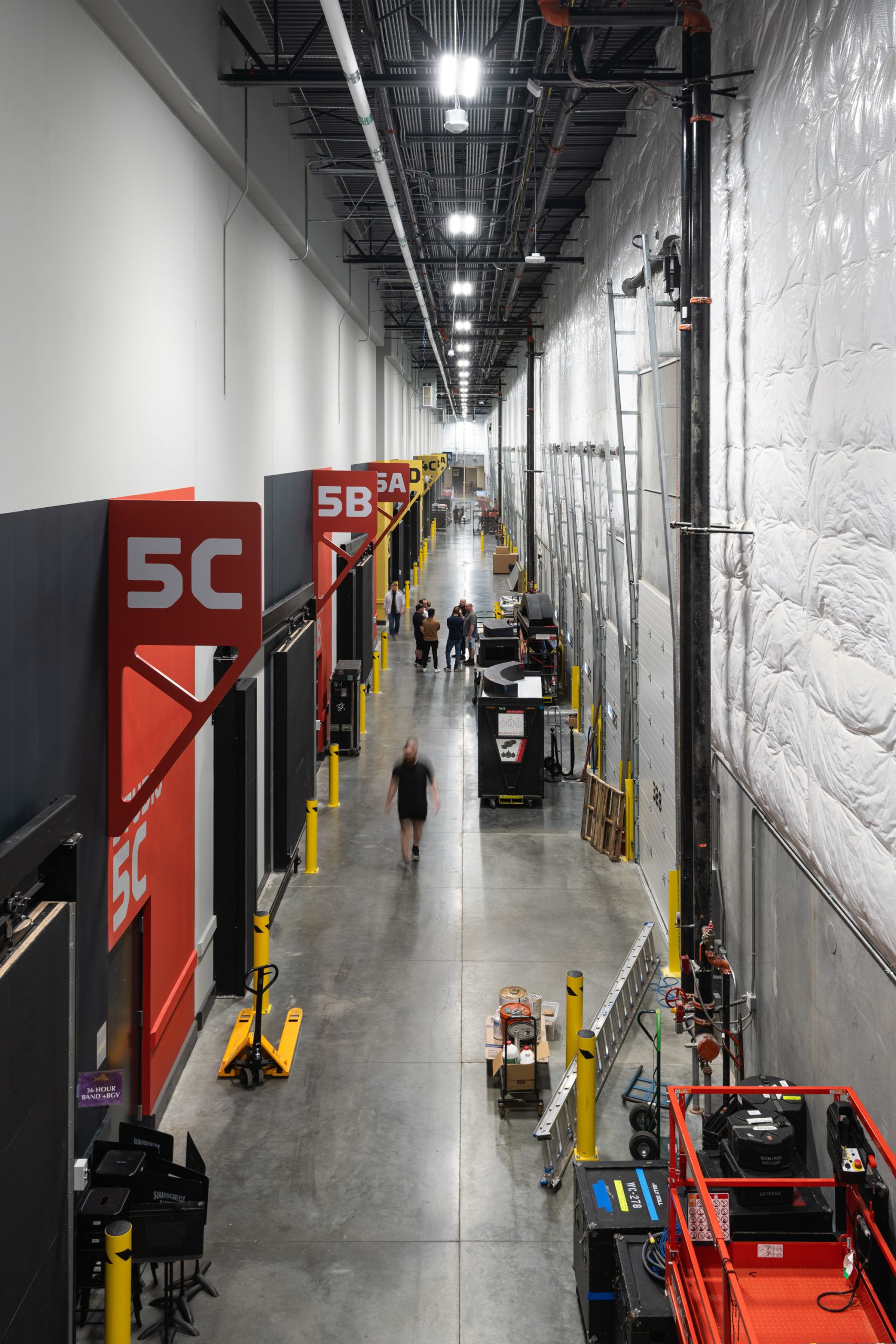
Artists can rehearse the music while their production teams test lighting cues, video elements, sound systems, special effects and stage movement. Tour managers can meet with vendors. Crews can load equipment through production-ready docks instead of trying to wedge road cases through the back door of somebody’s cousin’s rehearsal room.
That matters because a concert is never just the people standing under the spotlight.
Nearly Every Piece of a Tour Is Represented
The company roster at Rock Nashville reads like a backstage map of the live music business.
Audio companies include Clair Global, Shure, Sennheiser, JBL, JH Audio and Alclair Audio. Guitar and instrument brands include PRS Guitars, Taylor Guitars, Takamine, Yamaha, Fishman, Dunlop Manufacturing and L.R. Baggs.
Then we get into the less glamorous services that can absolutely make or break a tour.
There are companies specializing in staging, truss systems, custom road cases, trucking logistics, security, communications, catering, seating, pyrotechnics and visual production.
Artists and crews even have access to touring-focused physical therapy and medical services through Neuro Tour Physical Therapy and Rock Medical.
That last part may not sound as exciting as fireballs and giant video walls, but touring is physically brutal. Singers lose their voices. Guitar players develop shoulder problems. Crew members get injured. Everybody lives in close quarters while working strange hours and crossing multiple time zones. Keeping humans functional is every bit as important as keeping the equipment functional.
Artists Can Build the Show and the Business in One Place
What makes this model especially interesting is the concentration of services.
Artists are not simply renting an empty room and bringing everything else with them. Rock Nashville offers two arena-sized rehearsal facilities, 13 production studios, flexible rehearsal rooms and dedicated vendor space.
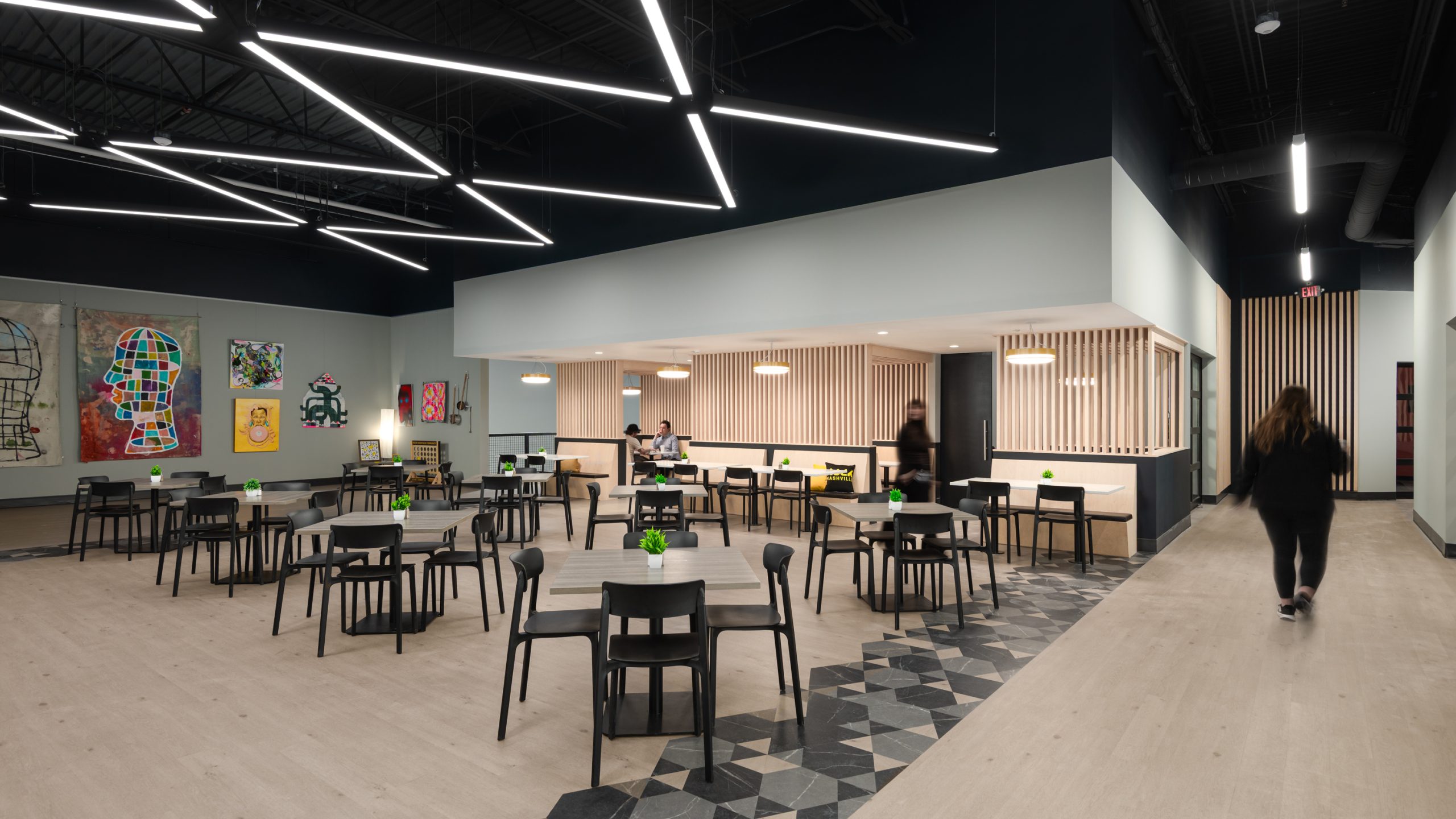
The studios range from smaller rooms suited to band rehearsals to full-production spaces large enough to prepare major arena and stadium tours. The campus also offers backline rentals, cartage and transportation support, coworking areas, meeting rooms, a café and 34 artist-relations offices overlooking the rehearsal studios.
That creates something independent and developing artists desperately need: access.
Not every artist using these services is mounting a stadium tour. Some are preparing for club runs, festival dates or their first serious stretch of national touring. They still need reliable gear, good sound, efficient transportation and people who understand what can go wrong once a show hits the road.
Putting those professionals in one place makes it easier to ask questions, solve problems and build relationships before a breakdown happens three states away.
Artist Independence Still Requires a Team
I have spent years talking about what independent bands need to do better, including the unglamorous details most musicians would rather avoid. A great song may open the door, but it does not advance a venue, repair an in-ear monitor or make sure the merch trailer arrives on time.
As I wrote in my old guide to what DIY bands need to do better, artists have always needed to think beyond what happens during their set.
Today’s artists may have more control, but independence does not mean doing everything alone. It means choosing the right people and services instead of automatically accepting whichever system a label builds around them. A campus like Rock Nashville gives artists a clearer look at those choices.
They can see who builds the cases protecting their instruments. They can talk directly with the people handling sound, staging or transportation. They can rehearse with the same technology they will use on the road. They can also discover problems while surrounded by people capable of fixing them.
That is a much better time to learn that your production plan does not work than during load-in on opening night.
Fans Benefit From Better Tour Preparation Too
Most fans will never see Rock Nashville. The campus is not open for public tours, and its work is intentionally kept away from the audience, but we experience the results.
We feel it when the sound is clear. We notice when the screens, lighting and effects hit at exactly the right moment. We benefit when an artist stays healthy enough to finish the tour instead of canceling dates halfway through it.
We also pay for all of it.
In my recent look at why buying a concert ticket stopped feeling fair, I talked about the enormous costs surrounding modern live music. Campuses like Rock Nashville help show where some of that money goes, and where it can be saved.
Touring requires an entire temporary city of skilled workers, specialized equipment and moving parts. The singer may be the face on the poster, but hundreds of people and dozens of companies can stand behind one polished night onstage.
Rock Nashville simply brings more of that hidden world under one very large roof. For artists building careers on their own terms, that kind of access could be just as valuable as any traditional record deal.
Learn more about the campus, available studios and touring services at RockNashville.com.
What part of tour production would you want to see behind the scenes: rehearsals, lighting, sound, stage construction or the logistics of moving the whole circus from city to city?